Do You Pay Council Tax on an Empty Rental Property in Scotland?
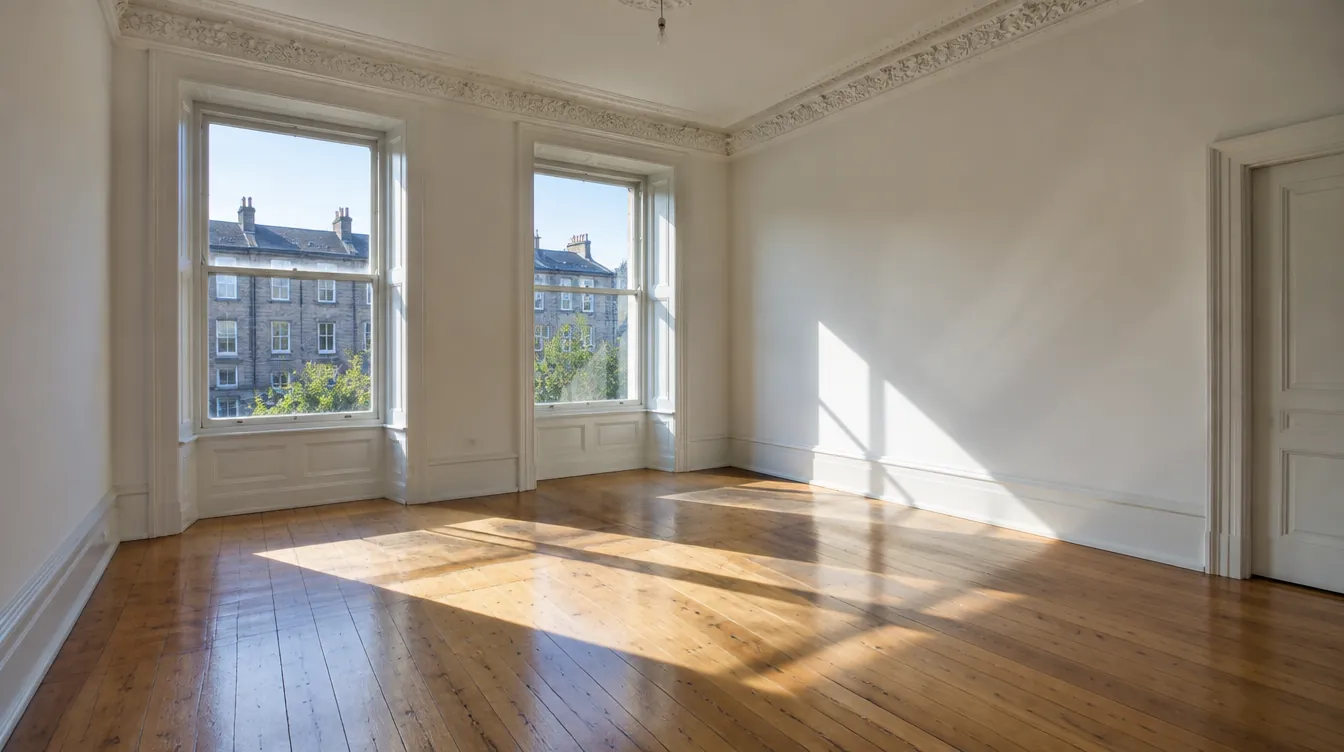
While a tenant lives in your property as their main home, they pay the council tax. When the property is empty, the bill passes to you as the owner. Most empty, unfurnished homes in Scotland are exempt for the first 6 months after someone last lived there, so a short gap between tenancies often costs nothing.
The cost rises if the property stays empty. After 12 months, your council can charge a premium, and since 1 April 2026 there is no longer a national cap on how high that premium can be. Each council sets its own rules, so check with yours.
Who Pays Council Tax on a Rented Property?
In most private lets, the tenant pays council tax because the property is their main home. You should tell the council when a tenancy starts and ends, so the bill is put in the right name from the right date.
There is an important exception for Houses in Multiple Occupation (HMOs). In an HMO, the owner is liable for council tax, not the tenants. Glasgow City Council notes that this often confuses both landlords and tenants. If you let a property to three or more unrelated sharers, budget for the council tax yourself and build it into the rent.
Once a tenant moves out and nobody lives in the property, the owner usually becomes liable. What you then pay depends on whether the property is furnished, how long it has been empty and what you are doing with it.
Short-Term Empty Homes: The 6-Month Exemption
According to mygov.scot, most empty and unfurnished homes are exempt from council tax for 6 months after someone last lived there. During this time, you do not pay council tax.
Homes undergoing repair or structural alteration may be exempt for up to 12 months. This can help if you are refurbishing a property between tenancies or after buying it.
The exemption depends on the property being unfurnished. Councils have their own definitions, but basic fittings usually do not count as furniture. South Lanarkshire Council, for example, still treats a property as unfurnished if it only contains carpets, curtains or blinds, a cooker, fires, fitted wardrobes, a fridge, freezer, washing machine or dishwasher. If you let a property furnished and leave the furniture in place between tenancies, you may get a smaller discount, or none at all.
Check how your council counts the empty period
Some councils count the empty period from the date the property first became vacant, including time before you owned it. If you buy a property that has already been empty for a while, part of the exemption may already have been used.
Long-Term Empty Homes and the Premium
If a property has been continuously empty for more than 12 months, the council can treat it as a long-term empty home. It can then do one of two things:
- charge a premium on top of the normal council tax
- apply a discount of up to 50%
Until 1 April 2026, premiums were limited to double the usual council tax rate. That limit has now been removed, so councils can charge more. The amount is decided by each council.
Relief if you are trying to let or sell
If you are actively trying to sell or let a second or empty home, you may not have to pay the premium. This only applies if the property has been empty for less than 2 years, and you may need to show evidence, such as property listing details or a contract with an estate agent or letting agent.
If you buy a property that has been empty for over a year, you may not have to pay the premium for the first 6 months, as long as you can show the council you are renovating it.
Second Homes
A second home, for council tax purposes, is a property that is not anyone's main home, is furnished, and is used for at least 25 days a year. If it is used for fewer than 25 days, it is treated as an empty home instead.
For second homes, councils can either charge a premium or give a discount of up to 50%. A furnished property kept for your own occasional use between lets may fall into this category. A short-term holiday let is usually assessed differently, and may be liable for business rates instead of council tax, so check with your council if you let on a short-term basis.
One Council's Approach: South Lanarkshire
Because each council sets its own policy, the figures below are an example only. They come from South Lanarkshire Council's published policy, and your council may be different.
| Situation (South Lanarkshire) | Council tax charged |
|---|---|
| Empty and unfurnished, first 6 months (if lived in for at least 3 months before) | 100% exemption |
| Still empty after 6 months | 50% discount for up to another 6 months |
| Empty but furnished | 10% discount for up to 12 months |
| Empty for more than 12 months | 200% charge (empty property surcharge) |
| Empty for more than 12 months, actively marketed for sale or rent | 90% charge for up to another 12 months |
| Empty for more than 24 months | No discounts apply |
| Second homes (since 1 April 2024) | 200% charge |
Discounts on council tax do not reduce water and wastewater charges, which are billed alongside council tax.
Example: An unfurnished flat that takes a long time to let
A landlord in South Lanarkshire owns an unfurnished flat with an illustrative annual council tax charge of £1,500, excluding water and wastewater. The last tenant leaves and the flat stays empty.
Months 1 to 6: 100% exemption = £0
Months 7 to 12: 50% discount = £1,500 × 50% × 6/12 = £375
Cost in the first year: £375
If the flat is still empty after 12 months and is not being marketed, the 200% surcharge applies: £1,500 × 200% = £3,000 a year, or £250 a month.
If it is actively marketed for rent, the 90% charge applies instead: £1,500 × 90% = £1,350 a year, or £112.50 a month.
The £1,500 figure is for illustration only. Use your own council tax band and your council's current rates to work out your figures.
What to Do When a Tenant Leaves
A few simple steps can stop you paying more than you need to:
- Tell the council the date the tenant moved out. This ends their liability and starts yours, and it starts the clock on any exemption.
- Give the council a forwarding address for the tenant, if you have one, so their final bill reaches them.
- Apply for any exemption or discount. Exemptions are often not automatic. Many councils have an online form for unoccupied properties.
- Decide whether to leave furniture in place. In some councils, an unfurnished property gets a better exemption than a furnished one.
- Keep evidence that you are marketing the property. Letting agent contracts and advert listings may be needed to avoid a premium.
- Tell the council as soon as a new tenant moves in, or if repair work finishes, or if you stop marketing the property.
Council tax paid while a property is empty between lets is generally an allowable expense against rental income for a property you let out. Keep the bills with your other records.
Related Information
Related Questions
Does the landlord pay council tax between tenants in Scotland?
Usually, yes. When nobody lives in the property, the owner is normally liable. However, most empty and unfurnished homes are exempt for the first 6 months after someone last lived there, so a short gap between tenancies often costs nothing.
Who pays council tax in an HMO?
The owner. In a House in Multiple Occupation, the owner is liable for council tax, not the tenants. Most HMO landlords include council tax in the rent.
Can the council charge more than double council tax on an empty home?
Yes. Until 1 April 2026, premiums on long-term empty and second homes were capped at double the usual rate. That cap has been removed, and each council now decides how much to charge.
Do I pay the empty homes premium if I am trying to let the property?
Possibly not. If you are actively marketing the property for let or sale and it has been empty for less than 2 years, you may not have to pay the premium. You may need to give the council evidence, such as advert listings or an agent's contract.
Sources
- mygov.scot: Council Tax for empty homes and second homes
- mygov.scot: How Council Tax works
- South Lanarkshire Council: Unoccupied property and second homes
- Glasgow City Council: Council Tax liability rules for landlords
This guide is general information, not financial, tax or legal advice. Rules change, so check your own position with a qualified adviser before you act.