Do You Need Consent to Let From Your Mortgage Lender?
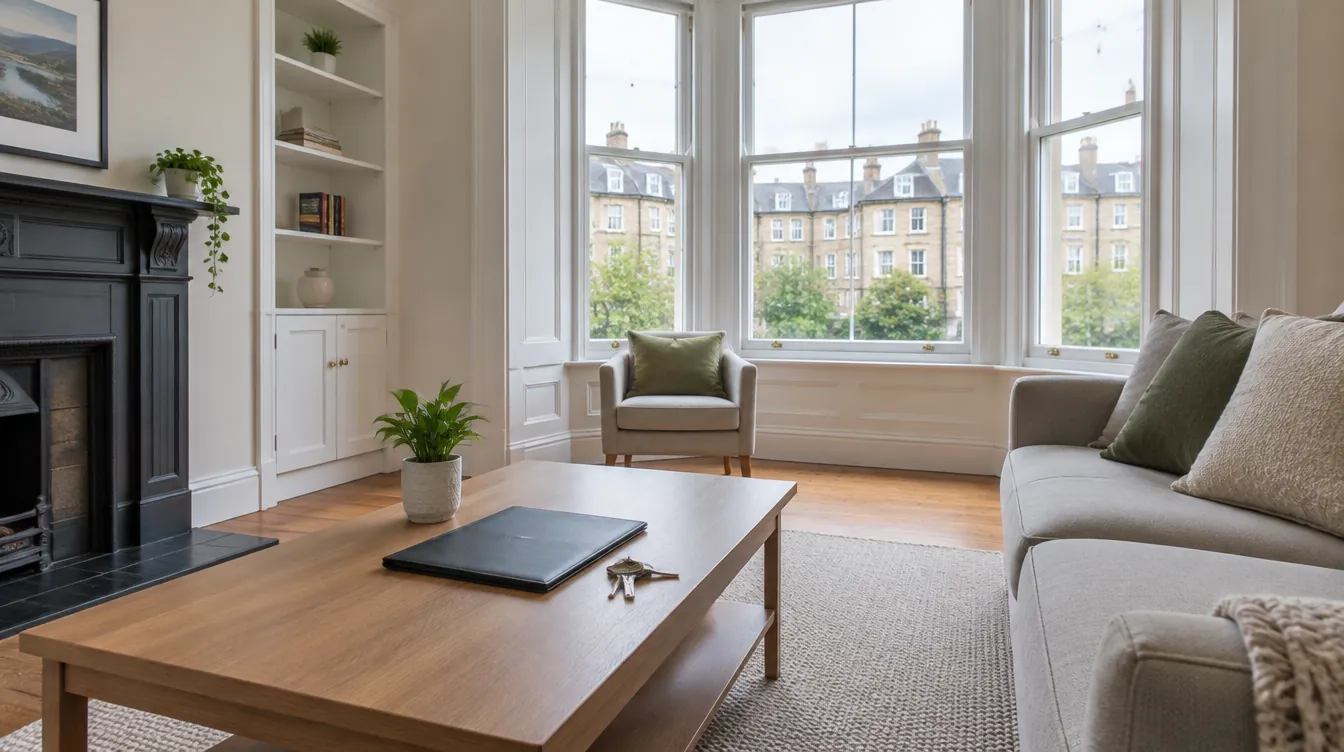
Yes. If your home has a residential mortgage, you must tell your lender before you let it out. Letting without permission can breach your mortgage terms, and MoneyHelper warns that it could invalidate the mortgage.
Some lenders will give you "consent to let" on your existing deal, usually for a limited period. Others will insist that you switch to a buy to let mortgage. If your lender refuses both, you may need to remortgage with a different lender. That can mean paying early repayment charges.
Why Your Lender Needs to Know
A residential mortgage is lent on the basis that you live in the property. Lenders see let property as a higher risk. Rent can stop, tenants can damage the home, and if things go wrong, repossessing a let property is slower and more complicated.
Your mortgage conditions will almost certainly require you to ask permission before letting. If you let without consent:
- you are in breach of your mortgage terms, and the lender could demand repayment
- your buildings and contents insurance is unlikely to cover a let property, leaving you exposed if there is a fire or flood
- you may struggle to remortgage later, because lenders ask about how a property has been used
People often become landlords by accident. They may have moved in with a partner, taken a job in another city, inherited a second property or been unable to sell. All of these situations need the lender's agreement before a tenant moves in.
How Consent to Let Works
Consent to let is a formal agreement from your existing lender that allows you to let the property while keeping your current mortgage. It is not available from every lender. Where it is offered, it commonly:
- lasts for a fixed period, after which the lender expects you to move back in, sell or switch to a buy to let mortgage
- comes with an administration fee, an increase in your interest rate, or both
- requires the rent to be at a sensible level compared with the mortgage payment
- requires you to have landlord insurance in place
Every lender sets its own terms, so ask for them in writing before you agree to anything with a tenant.
Ask before you advertise
Contact your lender as soon as you think you might let the property. You can ask what it would offer without committing to anything. It is much easier to plan when you know whether consent to let is possible, how long it lasts and what it will cost.
When You Need a Buy to Let Mortgage Instead
Consent to let is designed for a temporary change of circumstances. If you intend to keep the property as a long-term rental, your lender may insist that you switch to a buy to let mortgage, and it is often the more suitable product anyway.
Buy to let lending is assessed differently from residential lending. MoneyHelper's guidance says:
- you will usually need at least 25% equity in the property
- the rent will normally need to cover 125% to 145% of the monthly mortgage payment
- many buy to let mortgages are interest-only
If your current lender will not offer either option, you can remortgage to a buy to let deal with a different lender. Check your current deal first. If you are within a fixed or discounted period, early repayment charges may apply, and these can be large enough to change your decision.
Example: checking whether the rent covers a buy to let mortgage
A lender might look for rent of at least 125% of the monthly payment on a new buy to let mortgage, tested at a rate it sets.
If the lender's test produces a monthly payment of £640, the rent would need to be at least £800 a month (£640 × 125% = £800).
If the lender uses 145%, the rent would need to be at least £928 a month (£640 × 145% = £928).
If the achievable rent is lower than the lender's test figure, you may only be able to borrow a smaller amount, and you would need to repay the difference.
What Changes if You Buy a New Home and Let the Old One
Many people let their old home because they are moving. In Scotland, this has a tax consequence that is easy to miss. If you keep your old home as a rental and then buy a new main residence, you will own two properties. That means you will normally pay the 8% Additional Dwelling Supplement on the new home.
You can only reclaim that ADS if you sell your previous main residence within 36 months of buying the new one. If you keep letting it beyond that point, the ADS stays paid. Our guide to reclaiming the Additional Dwelling Supplement explains the rule and gives worked examples.
Your Legal Duties as a Landlord in Scotland
Getting your lender's agreement is only the first step. As soon as you let a property in Scotland, you take on the same legal duties as any other landlord:
- Landlord registration. You must register with the council for the area where the property is before you let it.
- Private Residential Tenancy. Almost all new lets are Private Residential Tenancies. They are open-ended, so you cannot simply ask a tenant to leave on a fixed date. If you later want to move back in or sell, you will need to rely on one of the legal eviction grounds and follow the correct notice process.
- Repairing Standard. The home must meet the Repairing Standard. This includes an annual gas safety check, an electrical inspection at least every five years, interlinked fire alarms and carbon monoxide alarms where needed. See our guide to landlord safety certificates.
- Tenancy deposit. If you take a deposit, it cannot be more than two months' rent, and it must be protected in an approved scheme within 30 working days. See our guide to tenancy deposits.
- Energy Performance Certificate. You must provide the tenant with a valid EPC.
Tax and Insurance When You Let Your Home
Rental profit is taxable. You will normally need to complete a Self Assessment tax return for each tax year in which you receive rent. Allowable expenses, such as letting agent fees, repairs and council tax paid while the property is empty, reduce the taxable profit.
If you are a Scottish taxpayer, rental profit is taxed at Scottish income tax rates. Our guide to Scottish income tax on rental income explains how the bands work.
When you eventually sell, Capital Gains Tax may be due on part of any gain, because the property was not your home for the whole time you owned it. Your accountant can work out how much relief applies for the years you lived there.
You also need to change your insurance. A standard home insurance policy does not usually cover a property you have let. Landlord insurance covers the building and your liability as a landlord, and it can include options such as loss of rent.
Related Information
Related Questions
What happens if I let my home without telling my lender?
You would be in breach of your mortgage conditions. The lender could take action, which may include asking you to repay the loan. Your insurance is also unlikely to cover a let property. If you have already let without consent, contact your lender and your insurer straight away rather than waiting for them to find out.
How long does consent to let last?
It varies by lender. Consent to let is usually granted for a set period, after which you will need to move back in, sell, apply to extend it or switch to a buy to let mortgage. Ask your lender to confirm the period and any conditions in writing.
Will my mortgage payments go up with consent to let?
They may. Some lenders charge a fee for consent to let, some increase the interest rate, and some do both. The lender will tell you the cost when you apply, so you can compare it with switching to a buy to let mortgage.
Do I need to register as a landlord if I am only letting my home temporarily?
Yes. Landlord registration applies to anyone letting a property in Scotland, whether the let is temporary or long term. You must register with the local council before you let the property.
Sources
- MoneyHelper: Buy-to-let mortgages explained
- mygov.scot: Taking a deposit as a private landlord
- Scottish Government: Repairing Standard statutory guidance for private landlords
This guide is general information, not financial, tax or legal advice. Rules change, so check your own position with a qualified adviser before you act.